Use the framework to de-escalate meltdowns in minutes
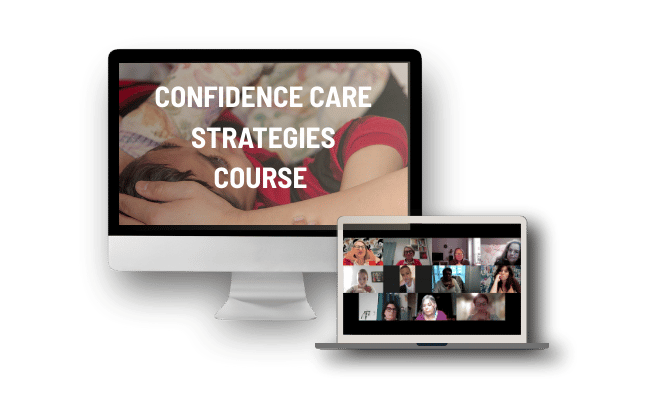
7 Strategies To Create Calm And Safety
When Things Escalate, Without Force, Rewards, Or Behaviour Plans.
This Confidence Care Strategies course shows you:
how to actually do it
why these touch-based moves work so well for autistic nervous systems
how to prepare so you are not improvising in the middle of a meltdown
how to prevent some crises by draining stress, anger and frustration before they explode
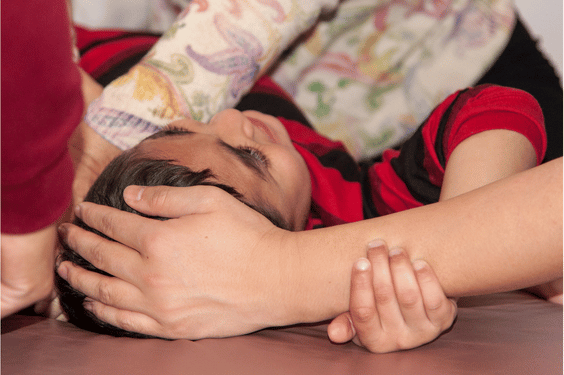
It turns “I have a list of techniques” into
“I feel more confident walking into tricky days, because I know exactly what to do.”

Who is this for?
Professionals: Use this as an in-the-moment protocol in school, clinic, or home support, without relying on compliance.
Parents and carers of autistic, ADHD or highly sensitive children whose behaviour often escalates fast.
Therapists, teachers and support workers who want something that actually works in the moment, not just on paper.
Anyone who senses that the real issue is in the body and sensory system and is tired of behaviour plans that do not touch the root.
What others are experiencing
Katleen
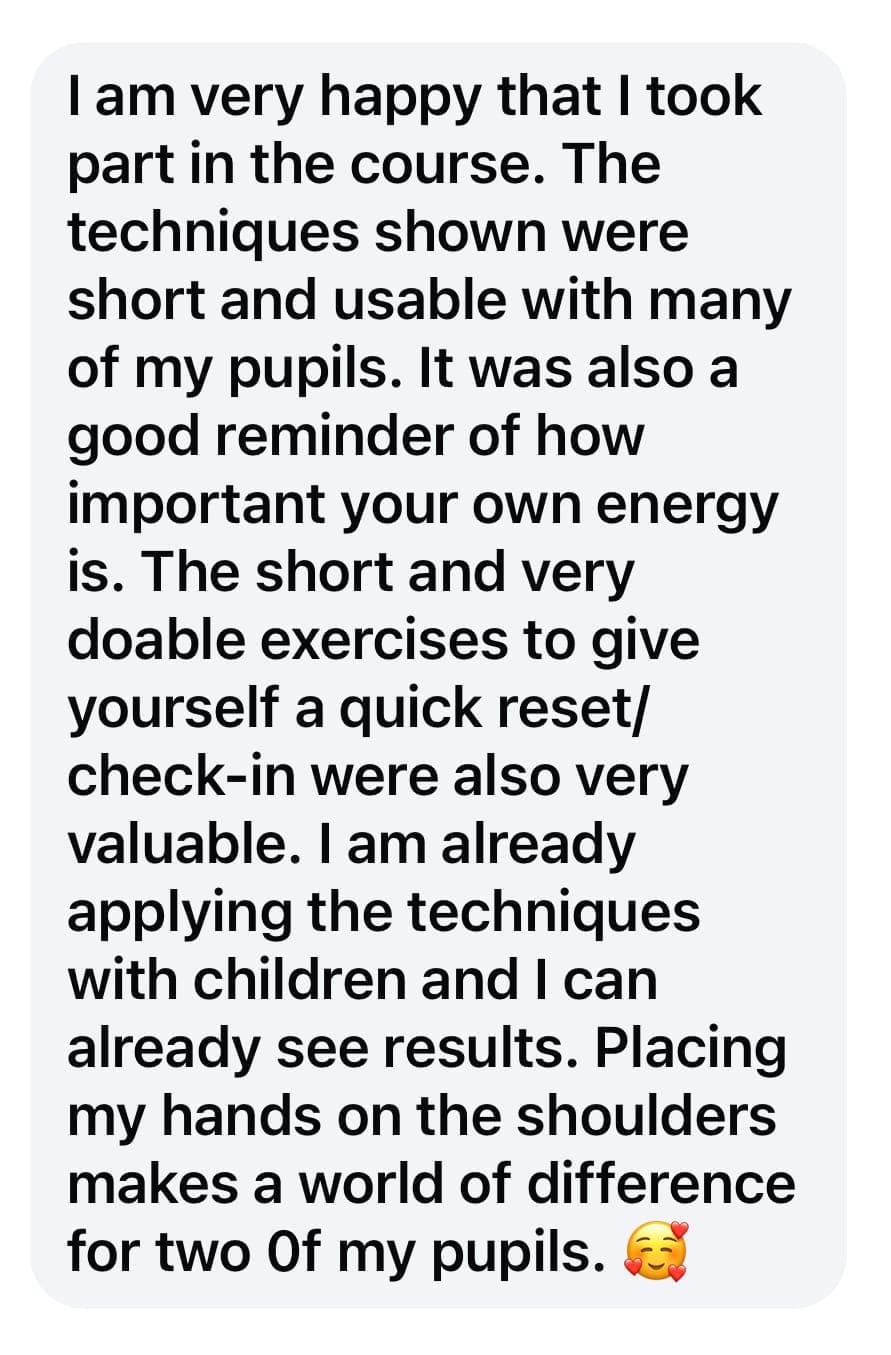
Sofie
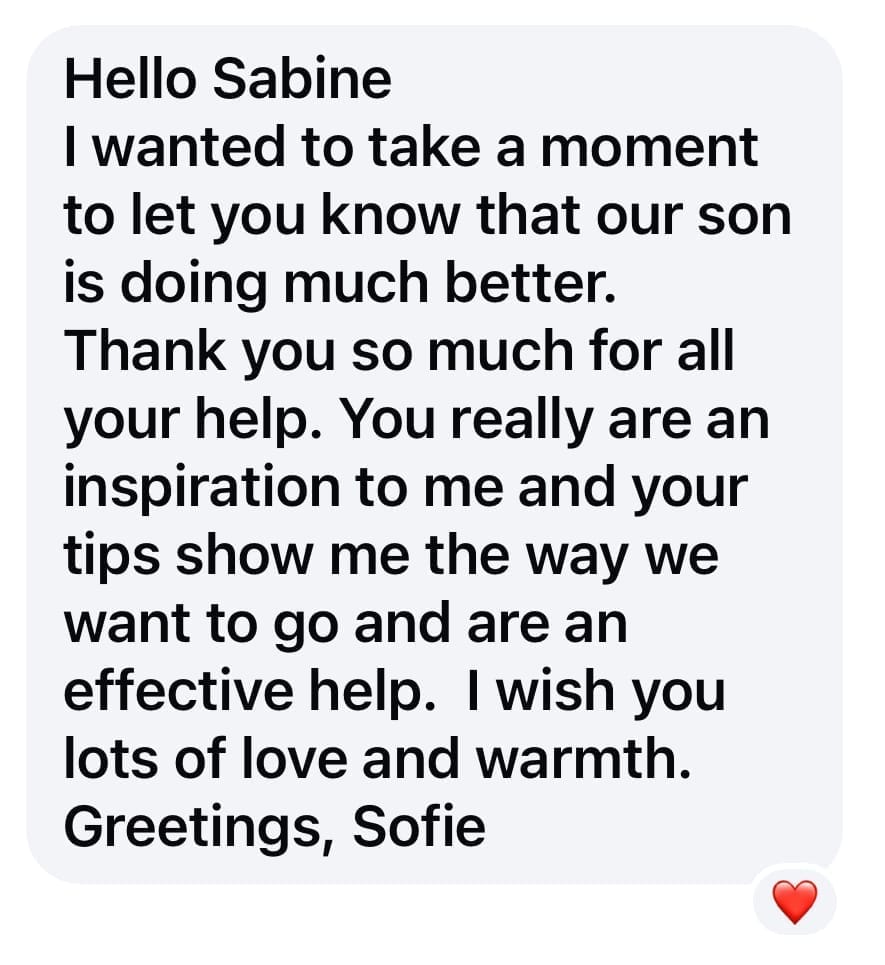
Caroline
Suzanna

Kristin

Amal

Linda
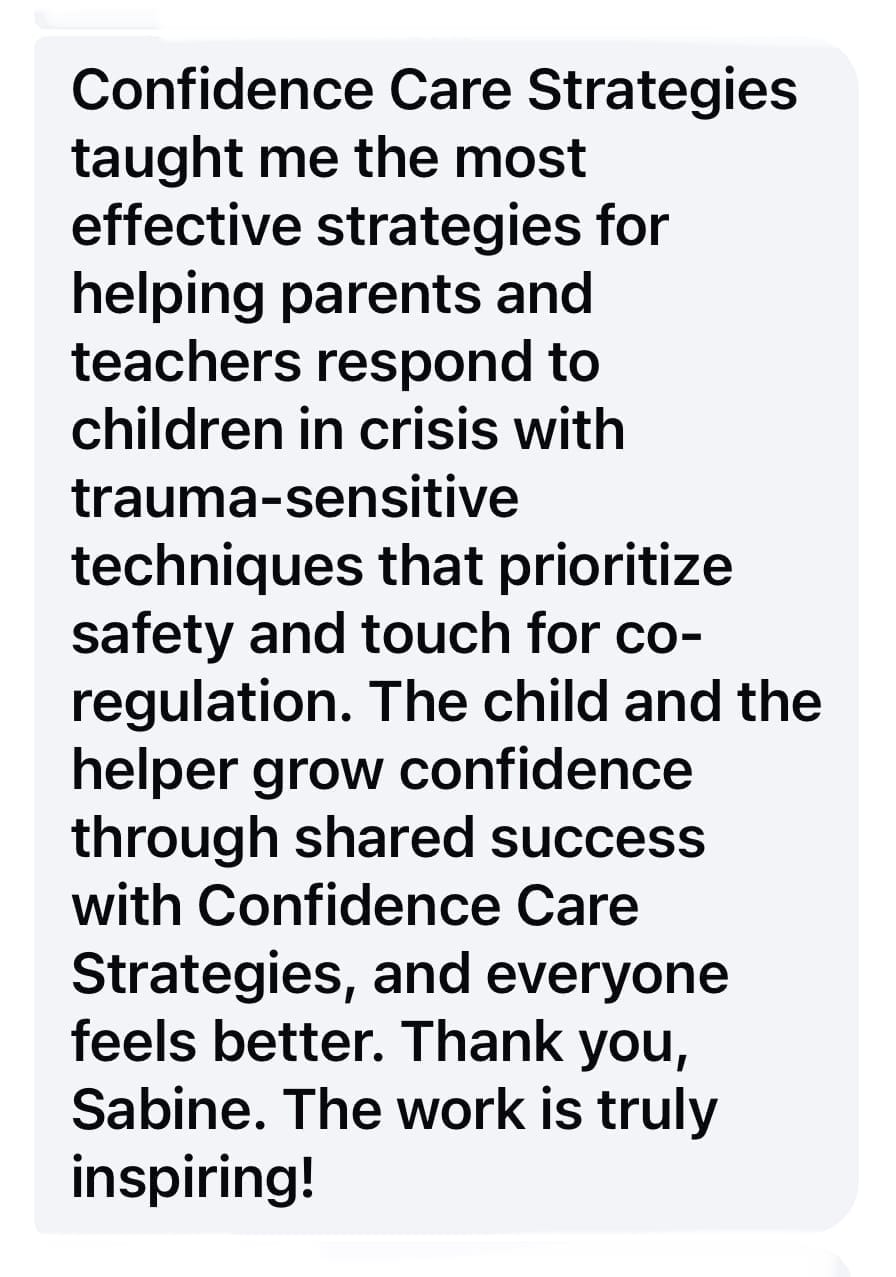
Amanda
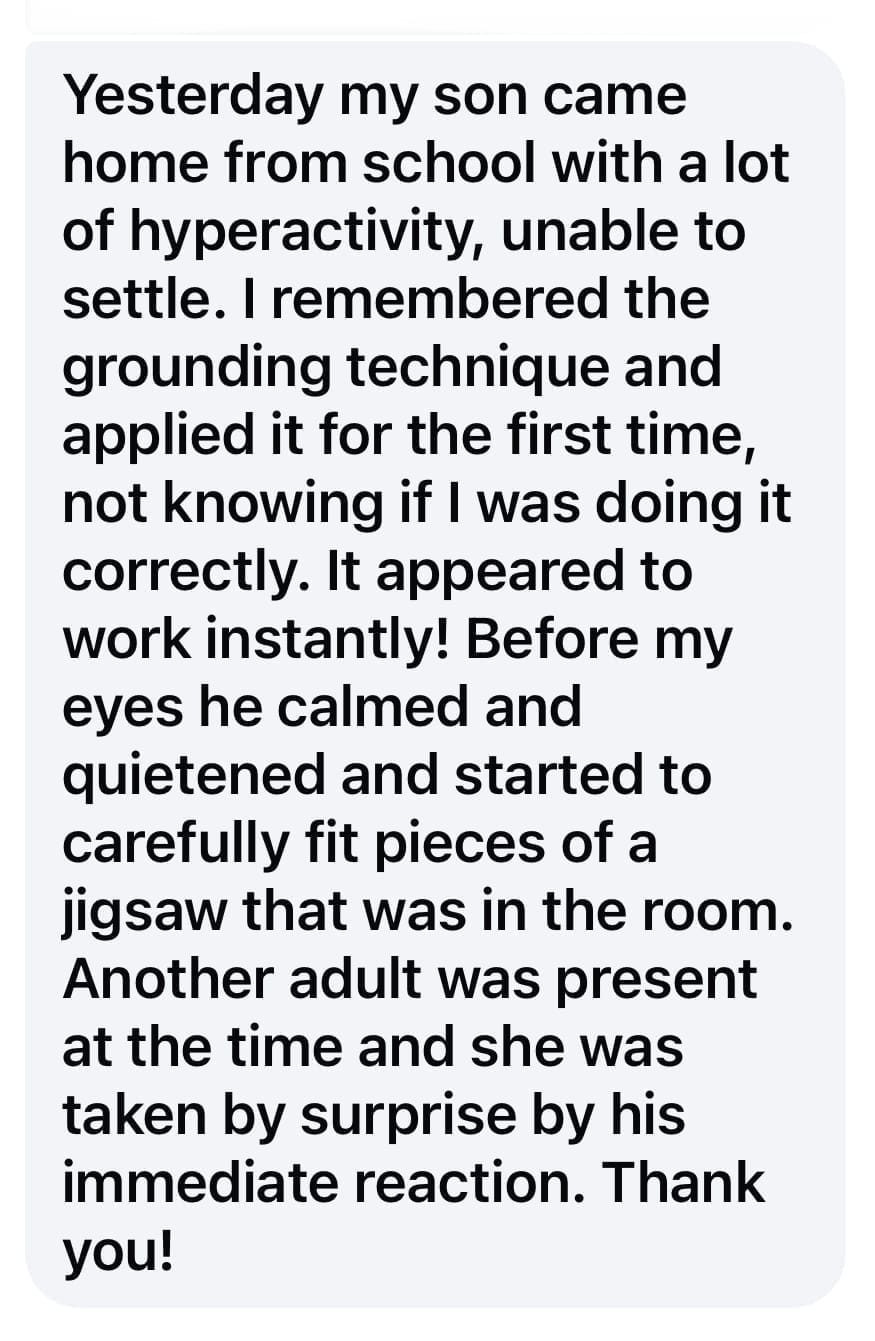
Tanya
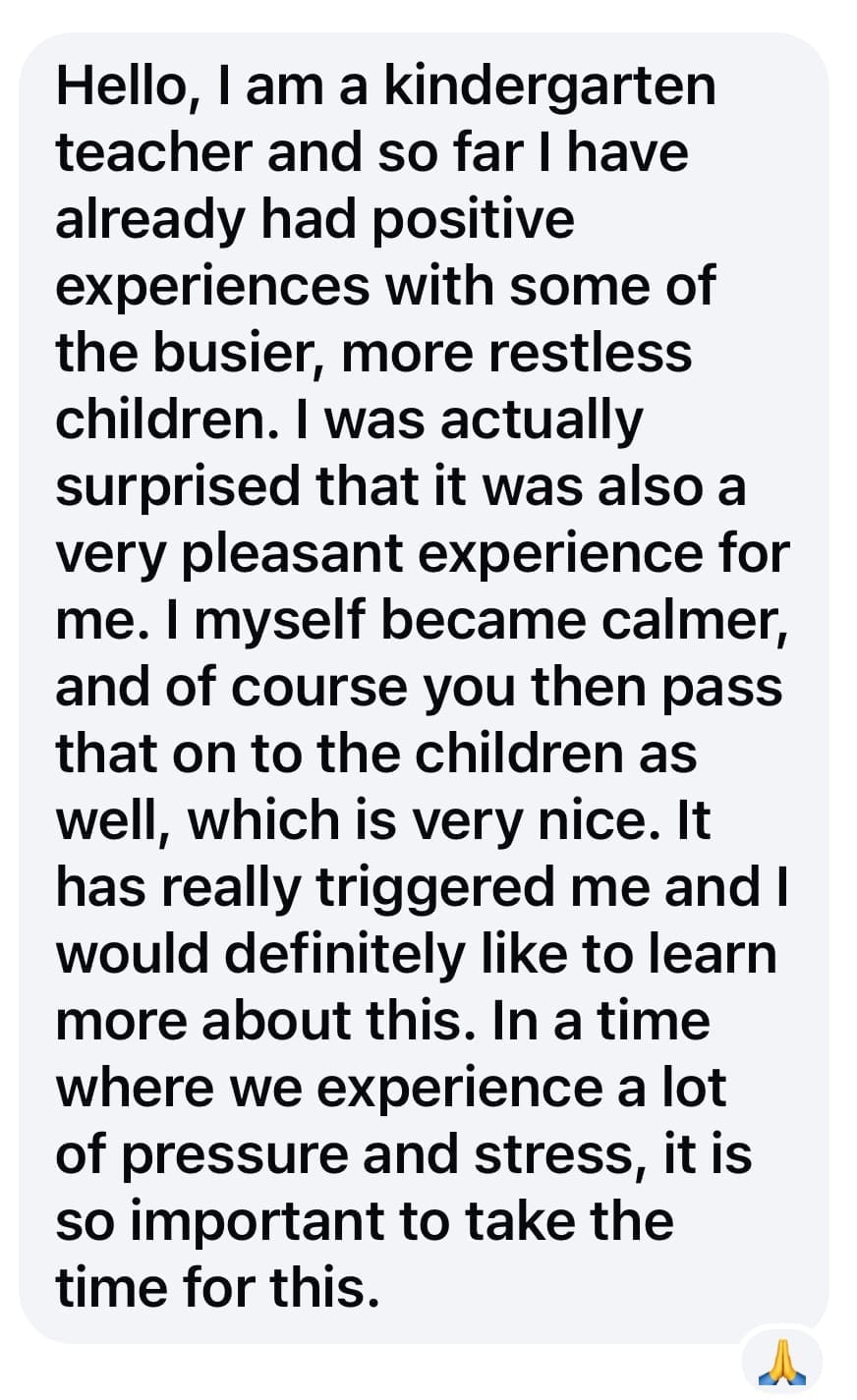
How this course was born
I tried all the classic crisis advice: stay calm, explain, use visuals, set boundaries.
Sometimes it helped a bit. Often nothing changed.
I realised:
Behaviour is just the surface.
Underneath, blocked energy in the body was driving the outbursts.
When I shifted to body-based, touch-centred strategies (grounding, breathing, clear touch sequences, pacing my own energy):
Children settled faster.
Parents and therapists finally had something concrete to do.
In Confidence Care Strategies, I teach you that structure so you can use it at home, in school, or in practice.
what’s included
When you join Confidence Care Strategies, you get:

The full Confidence Care Strategies Course – €199
11 modules of short, bite-sized lessons that walk you through a complete crisis-prep for autistic and sensitive children.
Situation-based guidance for meltdowns, aggression, transitions and shutdowns – €97
How to adapt the same strategies to hitting, screaming, running away, “zero focus” days, and shutdown-style crying, so you are not guessing in the moment.
BONUS 2 – Better Sleep For Sensitive Kids – €117
Evening touch routines that help your child’s system let go of the day and settle more easily at night.
Step-by-step demonstrations for every technique – €97
See exactly where to place your hands, how much pressure to use, how long to stay and what to do with your own breath and pace.
BONUS 1 – Stopping Aggression Before It Starts – €117
Daily moves that drain built-up anger, frustration and overload, so you can work pro-actively instead of always reacting to explosions.
BONUS 3 – Calm In Minutes Decision Map – €47
A one-page “what to do when” guide that links specific situations to the right technique, so you do not freeze or spiral when things escalate.

Your price today: €67
(one time, lifetime access)
Why the usual advice is not working
They say you need more consistency, clearer consequences and better behaviour plans.
But if you are caring for an autistic or highly sensitive child, you already know this is not the whole truth.
Because when a nervous system is in overload, logic and rewards cannot land.
Talking more, explaining more or doubling down on rules often adds pressure instead of releasing it.
The missing piece is this:
You need a way to regulate the body first – yours and theirs – so the brain is able to listen, cooperate, and learn again.
That is what these 7 strategies give you.
What other parents and therapists are seeing
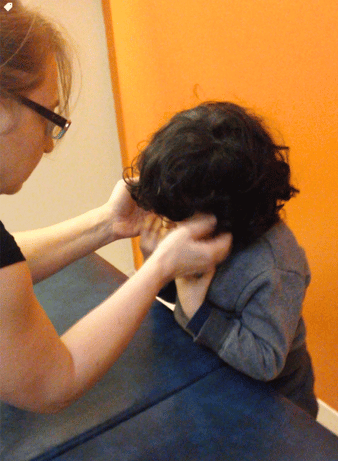
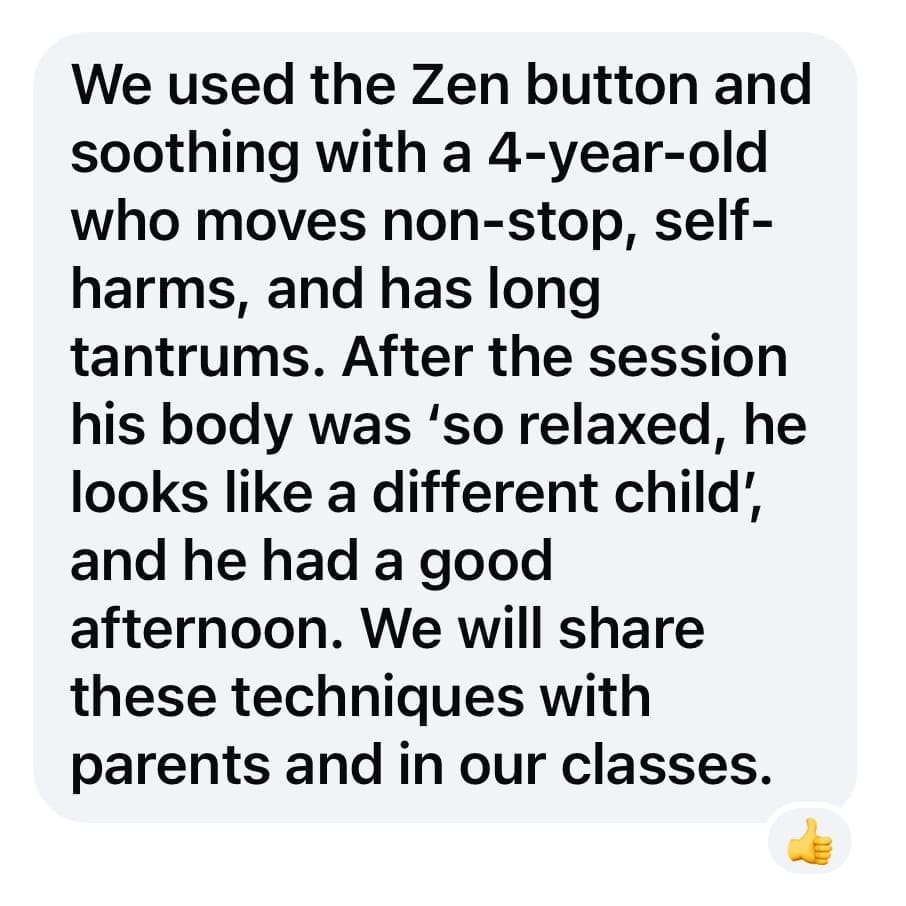
A therapist in the US used just two of the techniques with a four-year-old who was constantly moving, grimacing, scratching, biting, self-harming and having long tantrums at school and at home. She followed his movement, used the Zen-button sequence while he threw himself around the room, and later added a soothing technique when he finally came to sit.
By the end of the session, his director said his body was “so relaxed, he looks like a different child”.
He had a calm afternoon – something rare for him.
Inside Confidence Care Strategies, I show you exactly how to use those same techniques step by step.
Meet your guide
Let us be honest: Most autism support still tries to manage behaviour while ignoring the body.
As an autistic woman, parent and Qigong Sensory Treatment trainer, I have seen – and lived – how brutal that can feel.
For years I watched children be asked to “use their words”, “self-regulate”, or “try harder”, while their nervous systems were screaming. Parents felt blamed. Professionals felt stuck.
Once I shifted to energy-based, sensory-first work, things started to move: Children slept better, coped better and exploded less.
Parents and therapists felt less helpless and more grounded.

Now, through Confidence Care Strategies, I teach you how to bring that same body-first, touch-centred support into your own home, classroom or clinic – in a way that protects the child’s dignity and your energy.
Ready to feel more confident in the hardest moments?
If you are tired of walking on eggshells, dreading meltdowns and wondering whether anything will ever work, you deserve a different map.
Enrol in Confidence Care Strategies today just €67 – and let me show you 7 clear, body-based strategies to create more calm and safety when things escalate, without force, rewards or behaviour plans.
So next time the storm hits, you will not be frozen or fighting.
You will know exactly what to do.